
Marsala between Lagoon, Archaeology and Wine Culture
Accommodation in Marsala
Marsala combines an exceptionally rich cultural history with the lagoon landscape of Stagnone and a vibrant wine culture. This creates a destination where museums, archaeological sites, water-based activities and an urban tour can be combined to create very different kinds of holiday days.
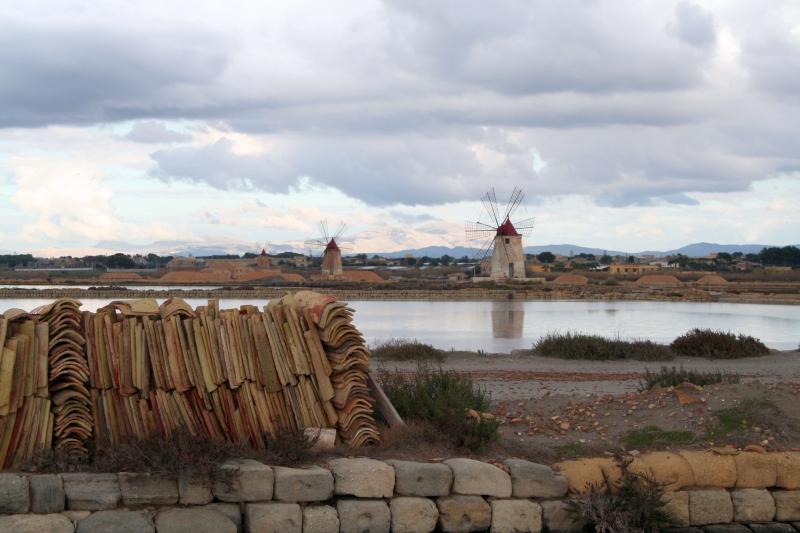
Lagoon, Islands and Water Sports
The Isole dello Stagnone archipelago covers an area of 2,000 ha. The Riserva Naturale Orientata comprises the lagoon and the islands of Mozia, Santa Maria and Schola. In ancient times, Mozia was an important trading centre for exchange between East and West. The Museo Giuseppe Whitaker, housed in Giuseppe Whitaker’s former residence on Mozia, preserves numerous finds from the excavations carried out there. These include the “statua del giovinetto”, a testimony to the Classical period that was found during an excavation campaign on Mozia in the late 1970s.
Along the coast around Stagnone, there are schools for windsurfing, kitesurfing, canoeing and sailing. The entire area has become a meeting place for water sports enthusiasts. This means that Marsala can be discovered not only through its past, but also through the combination of lagoon and active leisure.
Archaeology from Mozia to Lilibeo
The Museo archeologico regionale “Baglio Anselmi” centres on the wreck of a Punic ship. The exhibition of underwater finds also includes transport amphorae, anchor stocks and the cargo of Arab-Norman wrecks found off Lido Signorino. In the Archaeological Park of Lilibeo, the Roman insula marks the site of a large villa from the 3rd century AD. This complex includes baths, cisterns and the remains of an early Christian necropolis.
The Parco delle Cave presents another historical dimension. The underground landscape of calcarenite quarries is considered a hidden city and was shaped by the work of the quarrymen. Calcarenite sandstone has been quarried there since as early as the 7th century BC. Tuff blocks were first extracted for the construction of Mozia and later for ancient Lilibeo. The history of the material thus leads directly from the landscape to the ancient settlements in the surrounding area.
Art, Urban History and Traditions
The Convento del Carmine now houses a municipal art gallery with a permanent collection of more than 750 works of national and international standing. The art offering also includes the Flemish Triptych, a 16th-century work attributed to the Master of the Von Groote Adoration, a representative of the Antwerp School.
The modern Monumento ai Mille preserves and commemorates the history of the Mille. It contains photographs and documents about the Mille and the entire historical period, and also includes an information centre for visitors to the city. During Holy Week, a Via Crucis with living actors takes place on Holy Thursday and passes through the city’s main streets. A depiction of the Crucifixion is also part of the programme that same evening. In this way, a living tradition complements the museums and historic buildings.
From Capo Boeo, you can see the coast, the Aegadian Islands, Stagnone and Monte Erice. For an urban approach to history and wine, the Strada del Vino route “Nel cuore di Marsala, fra storia e archeologia” leads on foot through Marsala. In the historic Palazzo Fici, the route includes an introduction to the area and an initial tasting of local wines.
More Destinations to Compare
If you would like to compare Marsala with other destinations, you can also view Granitola Torretta, Porticalazzo, Tre Fontane, Macari Di San Vito Lo Capo, Triscina, Castelvetrano and Karuscia.
For the overarching travel overview: Trapani.
More about the Destination
Relevant information for planning your trip:
